Breast Milk Ice Cream, Anyone?

Sure, I like ice cream. I’m more for the traditional flavors like chocolate or strawberry but I’ve had my fair share of unique varieties—cinnamon, spiced pumpkin, and pistachio nut among others. Breast milk ice cream doesn’t make the list, however. More than likely it never will. But now, it could be a possible option for some. 
Recently, a specialty ice cream parlor in London put out an advertisement for local women to provide breast milk for a variety of ice cream it would be offering. Fifteen women answered the ad and provided breast milk to be added with several other ingredients to make the ice cream. The name of this new flavor you ask? Baby Gaga. It’s a fitting name for a radical new flavor to say the least.
Baby Gaga is being touted by the parlor as wholesome and natural but the food safety authorities in London seem to disagree. The ice cream has already been confiscated after concerns that the frozen treat may spread viruses. After all, natural doesn’t necessarily mean disease-free.
Breast milk, like other bodily fluids, has the potential to spread numerous viruses including hepatitis and HIV. All things considered, the ice cream likely won’t become a fan favorite even if testing proves the product is safe for consumption.
As different as it seems a food item like this shouldn’t be too surprising given today’s food trends. As we continue to head towards more sustainable and natural foods, options like this will continually be introduced into the market. This all begs the question, “would you try it?” Post your comment below or take the poll to let your opinion be heard.
References:
- “Breast milk ice cream confiscated on health concerns – chicagotribune.com.” Chicago Tribune: Chicago news, sports, weather and traffic – chicagotribune.com. N.p., 2 Mar. 2011. Web. 3 Mar. 2011. http://www.chicagotribune.com/news/opinion/ct-talk-breast-milk-ice-cream-folo-0320110302,0,1420964.story.
March is National Nutrition Month®

March might just be my favorite time of year. Why? Two simple reasons: it’s March Madness (huge college basketball fan) and it is National Nutrition Month®. If you didn’t know, here’s the scoop on what National Nutrition Month (NNM) entails.
THE THEME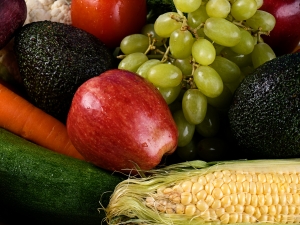

This year’s theme for NNM, sponsored by the American Dietetic Association is, “Eat Right with Color.” The message behind this slogan is to make small and simple changes like adding more fruits and vegetables to get more appealing and nutritious meals. By making small, gradual changes like these you can build a strong foundation of healthy habits that can result in an overall healthier lifestyle.
To accomplish this task focus on one change at a time such as substituting that daily pop for a glass of milk or water three times a week. Research has shown by making changes such as these more steadily you can better maintain healthy habits in the long term while at the same time spare yourself from the stress of overwhelming and dramatic change.
WANT TO KNOW MORE?
To get more information visit the ADAs NNM official website for recipes, videos, nutrition games and more. Or feel free to post a comment below. Have a happy National Nutrition Month!
Nutrition Lately Has a New Home

If you’ve looked around, chances are you’ve noticed a few changes with the Nutrition Lately blog. The biggest being the launch of the new site: nutritionlately.com! WELCOME to Nutrition Lately’s new home.
But the changes don’t stop there. We’ve been developing other ideas as well, namely, [NL] Limelight. What is [NL] Limelight you ask? As the tab at the top right corner of the page will tell you, it is a monthly featured post that highlights the work of someone in the nutrition field. [NL] is still taking suggestions for the first person to receive a chance in the limelight so feel free to email us, post a comment below or under the ‘[NL] Limelight’ tab.
We promise the changes and improvements won’t stop here. There is still plenty more to come, so keep coming back for more updates and to keep up with the latest regarding nutrition information, news and trends.
Time to Talk About Eating Disorders

February 26 marks the end of National Eating Disorder Awareness (NEDA) Week. Although this awareness week is nearly over its purpose of bringing attention and providing accurate information about eating disorders doesn’t have to be.
DEFINING THE DISORDER
Eating disorders (EDs) are psychiatric conditions characterized by severe instability in eating behavior that leads to physiological harm and in some cases, death. The American Psychiatric Association recognizes EDs in three distinct categories: anorexia nervosa, bulimia nervosa, and eating disorder not otherwise specified.
Anorexia nervosa (AN) is commonly characterized by the refusal or inability to maintain the body at or above a normal (body weight >85% expected for a given height and age) weight. Bulimia nervosa (BN) is characterized by recurring episodes of binge eating followed by abnormal or extreme weight-loss measures such as self-induced vomiting or excessive exercise. The third category, eating disorder not otherwise specified (EDNOS), includes behaviors that fail to meet the criteria for defining either AN or BN but do show an unsound eating behavior that can lead to health issues.
TREAMENT
EDs are psychiatric illnesses that can lead to serious medical complications and requires an interdisciplinary team of healthcare professionals for treatment. From a RDs perspective, nutrition therapy is only a single, but key component in an ED treatment plan. From physicians to psychiatrists, an ED treatment team can be a powerful and effective tool that can lead to a healthier patient, physically and emotionally.
SPREAD THE WORD
EDs are serious and life-threatening. They demand attention not only during this awareness week, but year-round. Many only recognize the stigmas associated with EDs, but there is much more to the disorder than these negative stereotypes. If you or someone you know suffers from an ED please seek help. Here is a link to some online resources for more information and useful contacts. If you have anything you would like to add, please post a comment below.
References:
Nelms, Marcia Nahikian, Kathryn Sucher, and Sara Long. “Energy Balance and Body Weight.” Nutrition Therapy and Pathophysiology . Australia: Wadsworth/Thomson, 2007. 355-56. Print.
Could it Be? A Diet Book Promoting Heavy Drinking

 Yes, you read the title correctly. Expected to hit bookstores sometime in 2011 is the book The Drunk Diet, a memoir by Lüc Carl (a musician, bar manager, and Lady Gaga’s boyfriend) who states he lost 40 pounds…while drunk.
It’s difficult to tell at this point whether the book is simply a journal and personal account of Carl’s rocker lifestyle or a manual for others to follow for actual weight loss. Judging by the testimonials on his website from followers of his “diet” it seems as though the latter may be more accurate. In either case, the book may do more harm than good.
But could this be? Does this book actually endorse lots of drinking and partying while claiming to be a diet? Furthermore, could it lead to weight loss? The short answer is yes, it could. But just because a diet regimen leads to weight loss doesn’t necessarily mean it’s healthy. As for drinking alcohol in high amounts, common sense and a plethora of science would tell you that’s not a good idea.
In short, those looking for a book to that serves as a guide for weight loss and a healthier lifestyle may want to look elsewhere.
HAVE AN OPINION?
What is your take on The Drunk Diet? Voice your opinions below or take part in the poll.
Are Your Kids Eating Habits Lowering Their IQ?

Based on the results of a recent study published in the Journal of Epidemiology and Community Health, what your child eats early in life may affect their IQ later in life. The study used data from the Avon Longitudinal Study of Parents and Children in which children’s diets were reported by parents in food-frequency questionnaires (FFQs) at 3, 4, 7, and 8.5 years of age.
Results showed that a diet pattern high in “processed” foods (high fat and high sugar) at age 3 was negatively linked with IQ assessed at 8.5 years of age. Conversely, a “health conscious” (salad, rice, pasta, fish, fruit) diet was positively linked with IQ.
Studies have shown that brain growth is at its fastest rate during the first 3 years of life and that this growth is also related to cognitive outcomes. The researchers of this study suggest that one possible explanation to the link between diet and IQ may be attributed the fact that that good nutrition may aid in the optimization of brain growth during this stage of life.
Interestingly, the authors of the study report the study shows “weak” associations between dietary patterns in early childhood and general intelligence pointing to limitations such as possible bias in the study based off FFQs. The authors do however point to the strengths of the study such as the large sample size and repeat measures of diet implying the data does still show diet in early childhood may be associated with IQ.
Overall, the study concludes that because research in this area is sparse and inconsistent, more research is needed to determine the exact correlation between diet and intellect.
WHAT DO YOU THINK?
Have you read the study? Where do you stand on the correlation between diet and intelligence? Share your thoughts and opinions in the comment section.
References:
Northstone, Kate, Carol Joinson, Pauline Emmett, Andy Ness, and Tomas Paus. “Are dietary patterns in childhood associated with IQ at 8 years of age? A population-based cohort study .” Journal of Epidemiology & Community Health 10 (2011): n. pag. Journal of Epidemiology & Community Health. Web. 7 Feb. 2011.
Diabetics: Handling Fruit? Wash Hands Before Pricking Finger

A recent study in the journal Diabetes Care suggests those who eat fruit shortly before getting their blood glucose checked should wash their hands with tap water. Even alcohol swabs don’t properly cleanse the hands of the sugars left by peeling or contacting fruit before taking the glucose test, which many manufactures suggest diabetics do before checking their sugar.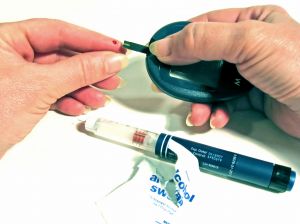
The research, conducted by Dr. Takahisa Hirose and colleagues took 10 volunteers, none of which had diabetes, and measured their blood sugar levels under several conditions. First baseline glucose levels were measured with most readings around 90 mg/dL. Then volunteers peeled kiwis, grapes, and oranges and tested their blood sugar levels immediately, after wiping their hands with alcohol and washing with tap water.
Results showed that when fruit peeling was followed by hand washing, blood glucose readings were the same as baseline, suggesting that hand washing rinsed the sugar residue left from the fruit away. When the participants checked their blood sugar soon after peeling the fruit without swabbing or rinsing, however, blood glucose readings were much higher, usually around 170 mg/dL. Readings were also high even after using alcohol swabs.
It is imperative for diabetics to receive accurate blood sugar readings. Inaccurate readings can lead to someone taking insulin or medication when they really might not need it which in turn could lead to hypoglycemia. This study shows just how far readings can be thrown off by food, specifically fruit. In order to get the most accurate result be sure to wash your hands thoroughly with tap water prior to getting a reading.

References:
Hirose, Takahisa , Tomoyo Mita, Yoshio Fujitani, Ryuzo Kawamori, and Hirotaka Watada. “Glucose Monitoring After Fruit Peeling: Pseudohyperglycemia When Neglecting Hand Washing Before Fingertip Blood Sampling.” Diabetes Care 34.2 (2011): n. pag. Diabetes Care. Web. 12 Feb. 2011.
Rhabdomyolysis: Why Every Athlete Should Know the Term

It may have a funny sounding name, but the symptoms and potential consequences of rhabdomyolysis are anything but. In the most serious cases, it can even be fatal. Unfortunately, it seems to be an increasing issue with athletes. Take the University of Iowa’s varsity football team which had 12 players suffer from the condition recently, for example. So just what is rhabdomyolysis? Here’s what every athlete should know.
RHABDOMYOLYSIS DEFINED

Rhabdomyolysis is the rapid breakdown of muscle fibers that leads to the release of myoglobin, a component of muscle fiber, into the bloodstream. While in the bloodstream myoglobin can break down into several harmful compounds before reaching the kidneys to be filtered out of the body. It is these harmful compounds that can plug the filtering tubes within the kidney and lead to kidney damage or even kidney failure.
Rhabdomyolysis can also lead to a serious complication known as compartment syndrome. This is caused by the injury to muscle which leads swelling (edema) and increased pressure to a specified area of the body where the injury occurred. Due to the extreme pressure circulation is compromised and can cause further tissue damage or breakdown (necrosis) leading to tremendous discomfort and pain.
WHO’S AT RISK?
Any trauma that leads to muscle breakdown can result in rhabdomyolysis. This includes incidents such as car accidents, earthquakes (crush syndrome) or severe burns. Those taking statins or some psychiatric drugs are also at risk due to medication side effects.
While athletes aren’t the most common population to suffer from this condition, it is becoming more prevalent in the area of athletics. Why? Some theorize it is due to the culture of sports that commonly takes the “no pain, no gain” mentality. That mentality coupled with an increase of extreme workouts meant to produce quick results can lead to overexertion and potentially, rhabdomyolysis. Athletes most at risk include marathon runners and military or police recruits that are required to undergo vigorous training regimens to meet fitness requirements.
SIGNS AND SYMPTOMS
The most common symptoms include:
- Abnormal urine color (dark, red, or tea colored)
- Extreme muscle soreness, stiffness, or muscle ache
- Muscle weakness of the affected area
- General weakness
- Edema
HOW IS IT TREATED?
In mild cases that don’t exhibit complications, oral rehydration is usually sufficient. In more severe cases in which hospitalization is required aggressive fluid therapy is typical. This is intended to help prevent harm to the kidneys by rapidly flushing myoglobin out of the kidneys either by IV or dialysis, depending on severity.
PREVENTION
The best way to prevent rhabdomyolysis from occurring due to exercise is to restrain from extremely strenuous physical activity, especially if it is well beyond your current fitness level. If participating in extreme workouts be sure to drink plenty of fluids to help flush out myoglobin from the body.
Is the ‘Cinch!’ Diet the Next Big Thing?

Have you heard? The newest diet book, titled the Cinch! Conquer Cravings, Drop Pounds, and Lose Inches, is now out on bookshelves across the country. The author, Cynthia Sass, is a RD and the coauthor of the Flat Belly Diet. I’ve heard a considerable amount of chatter regarding this book so I thought I’d chime in. So what is this book all about? Here is a basic breakdown along with a personal review.
THE TIMELINE
The first 5 days of this 30 day weight loss plan, called the “5-day Fast Forward”, serves as an initial “detox” plan that restricts those following the diet to only five foods: spinach, almonds, raspberries, eggs, and yogurt. Losing up to 8 pounds during these first five days is one of the claims of this diet plan offers.
The following 25 days, titled the “Cinch Core Diet” offers meal plans and snacks that focus on five main food groups: whole grains, lean protein, plant-based fats, fruits and vegetables. As a dessert each day the diet recommends dark chocolate, which is thought to help ward off urges for sweet and salty snacks after dinner. In addition, the plan also provides recipes with “Slimming and Satiating Seasonings” or “SASS” that include vinegar, citrus juice, hot peppers, tea, herbs and spices that are intended to stimulate your metabolism.
RESTRICTIONS
Besides restricting followers of the diet for the first 5 days with the foods mentioned above, the diet does not permit consumption of diet sodas, pork, or red meat throughout the entire 30 days.
PROS
- Emphasizes real, whole foods
- The importance of exercise is mentioned for lasting weight management
- The diet appeals to those who like a highly structured meal plan
- Vegan and vegetarian friendly
CONS
- Structured meal plans make it difficult to incorporate dining out into diet
- Restrictions can limit meal plans if applied after 30 days
- Meal plans may not appeal to some if cooking for a family
- 5-day Fast Forward may not be manageable and discourage some from continuing with diet changes
THE KEY
If deciding to try this diet, remember the strategies are suppose to translate into lasting dietary changes after completion.
CONCLUSION
While the book may be a good place to start making dietary changes in order to lose weight and eat healthier there is a reason many say diets DON’T work. A 30 day diet is a quick fix and those who assume 30 days is all they need to make permanent dietary changes in their lives may be prone to reverting back to old habits after completing the diet. This could even lead to rebound weight gain.
Although the diet does promote important concepts like portion control and developing healthier relationships with food followers of the diet should be aware the work doesn’t end with the last chapter of the book, rather, the book should be the basis for long-term improvement.

Trying the HCG Weight Loss Program? FDA says DON’T

The FDA recently warned the public that the HCG weight loss products being sold on the internet and in drugstores are fraudulent and illegal. Human chorionic gonadotropin, commonly abbreviated HCG, is a hormone made by the placenta during pregnancy and has been approved for other medical conditions but not weight loss.
To date there has been no scientific evidence to suggest that HCG works for weight loss. M ost of the programs combine the HCG supplements with an extremely low calorie diet of around 500 calories. This dramatic cut in daily calories alone would cause weight loss. The probelm: it would likely cause muscle loss as well, which is never good. If you’re trying to lose weight, steer clear of “magic pills” and solutions such as these that often times are expensive, ineffective, and even dangerous. Instead, consider follow these tips that have been proven to lead to healthy weight loss.
1. CREATE A FOOD DIARY
This can seem like a hassle but just days in it’ll become second-nature and provide concrete, visual information that causes real change. By recording the meals, snacks, and drinks you consume you can get a day-by-day breakdown of your calorie intake allowing you to make necessary changes that result in healthier eating habits and weight loss.
2. WATCH WHAT YOU DRINK
So many people who start dieting or who try to lose weight focus entirely on the food they consume and pay no attention to the beverages they drink. That is a BIG mistake. Most are surprised to see just how much their fluid intake can impact their overall calorie count. One tip I always provide is to drink only water in between meals and reserve high-calorie juices, sodas, and other drinks to be consumed along with meals. This helps you avoid drinking lots of liquid calories throughout the entire day while still being able to enjoy your favorite drinks.
3. GET MOVING
Get at least 30 to 60 minutes of daily physical activity. This could be mall walking, kickboxing, swimming, whatever you enjoy doing. There’s really no better combination than diet and exercise to help shed weight. But don’t try to make dramatic changes to both all at once. Make small, gradual changes that are more likely to last and turn to habit.




 Nutrition Lately


