Energy Drinks: Danger in a Can

With the latest sales figures from 2009 at over $6.9 billion dollars, it seems everyone has tried an energy drink at some point. With claims to improve concentration, energy, stamina, even athletic performance and weight loss it’s not a wonder this is the fastest growing beverage market with sales expected to top $9 billion in 2011. But are these claims true? More importantly, are these drinks safe?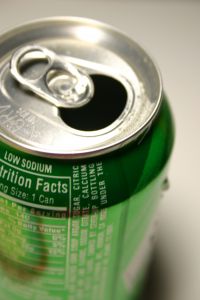
While occasional consumption of these beverages likely won’t produce ill effects for an otherwise healthy adult that may not be the case for those who drink them chronically or already have preexisting conditions such as diabetes, liver, kidney, or heart disease. That goes for kids who drink them regularly as well.
In a recent review, researchers looked at the safety of such drinks. Below are some of the highlights from the report from Pediatrics, the journal of the American Academy for Pediatrics, which concluded “Energy drinks have no therapeutic benefit, and many ingredients are understudied and not regulated.”
- 30-50% of adolescents and young adults consume energy drinks
- Many energy drinks contain high and unregulated amounts of caffeine and other ingredients
- Consuming these drinks have been associated with serious adverse effects, especially in children, such as heart palpitations, seizures, mania, cardiac arrest, and even death
CAFFEINE OVERLOAD
The active ingredient in energy drinks is caffeine. Most energy drinks fall within the range of 50 to 300 milligrams of caffeine per can. The general guideline for caffeine intake per day for kids is around 100 mg and around 400 mg for adults. For adults, caffeine toxicity begins around 1000 mg and can be deadly at amounts greater than 3000 mg. These estimates can vary depending on health and other preexisting conditions, however. For children, the toxic or lethal amounts could be far less.
Many energy drinks offer 3 to 5 times the amount of caffeine contained in the average cola. But that is just through comparative analysis of listed amounts. Many energy drinks contain even more caffeine through additives such as guarana, which typically contains around 40 to 80 mg of caffeine. The caffeine content from these ingredients, however, is not required to be listed by manufacturers making actual caffeine amounts likely higher than listed on the can.
WHERE’S THE REGULATION?
Because energy drinks are classified as dietary supplements and not categorized as food like soft drinks, they do not fall under the same regulation and do not have caffeine content limited by the US Food and Drug Administration (FDA).
ACCESS FOR ALL
While most energy drinks are marketed to teens and young adults, anyone can drink them. This is particularly worrisome because children cannot tolerate the same amounts of caffeine and negative effects can be reached with lesser amounts. What many people don’t realize is that caffeine is a drug and like other drugs, needs regulation. Interestingly enough the review points out that caffeine “may be the only psychoactive drug legally available over-the-counter to children.”
POTENTIAL EFFECTS OF CAFFEINE
Caffeine intake within recommended guidelines like those mentioned above typically does not result in adverse effects. However, amounts greater than recommended often do. Those sensitive to caffeine, or with medical conditions like heart disease or diabetes, or pregnant women may experience problems with caffeine even within normal ranges.
- Common symptoms of caffeine toxicity include confusion, irritability, anxiety, insomnia, tremor, rapid heartbeat and stomach pain
- High doses of caffeine have been shown to exacerbate cardiac conditions including an increase in blood pressure and changes in heart rate
- Additional calories and high levels of sugar found in many energy drinks may also contribute to weight gain, dental caries, and glucose intolerance in both children and adults
- Intakes of caffeine >300 mg have been associated with miscarriage and low birth weight in pregnant women
PRACTICE SAFE CONSUMPTION
If you do consume energy drinks, follow these tips for safe consumption.
- Check with your physician if you have diabetes, kidney or heart disease or take any medications that may interact with the ingredients in energy drinks
- Never mix energy drinks with alcohol
- Stay within the recommended caffeine range of <100 mg/day for kids and <400 mg/day for adults
- Consume caffeine earlier in the day as it can stay in the body up to 10 hours and interrupt sleep

References:
- Seifert, Sara, Judith Schaechter, Eugene Hershorin, and Steven Lipshultz. “Health Effects of Energy Drinks on Children, Adolescents, and Young Adults.” Pediatrics 127.3 (2011): 511-528. A NetMed Pediatrics Guide . Web. 20 Mar. 2011.
Dentists, Dietitians, and Oral Health

 As I plan to make my way to the dentist office later next week I’ve begun to think of a terrific article I read recently in the winter issue of the ADA Times, a publication for members of the American Dietetic Association.
The article by Amberly Wilson, MS, RD, titled “A Perfect Match: Opportunities for Dentist-Dietitian Connections” brings to light the relationship between nutrition and dentistry. Whether its dental caries, eating disorders, or complications with diabetes often the first signs of poor nutrition develop in the mouth. Because of this, there are definite opportunities for RDs and dentists to collaborate to improve the health of patients.
ORAL DISEASES ASSOCIATED WITH DIET
When you think of oral health and nutrition the first connection you may make is dental caries (cavities) and the foods that cause them. Foods like soda, candy, and bread products are the biggest culprits. Bacteria that aids in tooth decay use the carbohydrates provided by these foods for energy and produce byproducts that further breakdown enamel and teeth.
But there is a much larger spectrum of oral diseases that relate to nutrition. Eating disorders, like anorexia nervosa and bulimia nervosa can often be discovered through oral examination as well. Translucent, brittle and weakened teeth as well as loss of tissue or erosive lesions can all be signs that an eating disorder may be present. And because so many eating disorders go unreported dentists can often be the first health professional that screen for these health problems.
Diabetes is another disease that exhibits problems inside the mouth. Because of poor blood glucose control gum disease can be a common threat to diabetics due to the body’s lessened ability to fight of bacteria. What’s worse is that problems like gum disease that are commonly caused by bacterial infections also lead to a spike in blood glucose, making diabetes harder to control. Other complications include thrush and dry mouth that can further lead to cavities or ulcers.
Even such issues as vitamin and mineral deficiencies can cause serious oral problems. Vitamin C deficiency can lead to bleeding gums. B vitamin deficiency can lead to a problem known as angular cheilosis, characterized by fissures in the corners of the mouth, lips, and cheeks. A swollen, pale or reddened tongue in which there is a absence or flattened papillae (the little structures on your tongue) can also be due to folate, B vitamin or iron deficits.
A PARTNERSHIP
Oral health and nutrition have a clear connection. It’s up to both dietitians and dentists to work together for better patient care and ultimately, healthier individuals. The next time you have a oral check-up, think about how you can incorporate both professions into your life for better overall health.

References:
- “Living With Diabetes.” American Diabetic Association. N.p., n.d. Web. 11 Mar. 2011. <www.diabetes.org/living-with-diabetes/treatment-and-care/oral-health-and-hygiene/diabetes-and-oral.html >.
- Wilson, Amberly. “A Perfect Match: Opportunities for Dentist-Dietitian Connections.” ADA Times Winter 2011: 18-19. Print.
My Trip to the Classroom: A Nutrition and Reading Adventure
In case you didn’t know March is National Nutrition Month. But March also holds another great title: National Reading Month. To celebrate both, I decided to take a trip to a local classroom and read to the kids about eating right this past week.
In my effort to help kids learn about delicious and nutritious foods as well as better eating habits, I read to a 2nd grade class in Battle Creek, Michigan. I was so happy to see how excited the kids were to learn about nutrition.
The book I read was The Runaway Garden: A Delicious Story That’s Good for You, Too! by Jeffery L. Schatzer. It’s a great story with terrific illustrations that can peak children’s interest in gardening and vegetables while at the same time providing a fun and entertaining adventure. As I read along the different vegetables depicted in the book served as a great teaching and discussion tool for the kids as we talked about the names of the different veggies, how good they taste, and how they can help us grow to be healthy and strong.
After reading, I gave the class some fun nutrition worksheets, provided by Nourish Interactive. This site has fun and educational nutrition resources for children of all ages created by nutrition and healthcare professionals. It’s a great site I use and personally recommend to anyone who is teaching kids about eating healthy foods.
In a time of rising nutritional issues like childhood obesity it is critical we address healthy eating to our kids at an early age. And studies have shown the earlier we intervene the better. Not only does this help provide them with the knowledge of better eating but it also puts kids on the path to healthier diets before unhealthy eating habits are developed.
Be sure to check out the slideshow below for more pictures of the fun I had with the kids. If you have the interest I encourage you to make the time the to be a reader for a day at your local school and help kids develop an interest in nutriton and better eating. Trust me, you’ll have a blast!
Nutrition Lately to be on Live Cooking Show in Chicago

 Wow. This month has been BUSY. Between converting the [NL] blog into a dot com, adding a monthly featured post ([NL] Limelight), developing another monthlyfeatured post (coming soon), and adding another contributor to the team (the wonderful Ms. Elise Truman) it seems there has been time for little else. But the busier the better as I like to say and now there is another big item on the agenda…becoming a guest judge and representing Nutrition Lately on a live web show!
Recently, I was approached by the Kenmore Live Studio in Chicago to be a judge for one of their shows: Cooking Combat. With the opportunity to take a trip to Chicago and eat some great food, of course I said “Yes!”
The show will be pitting two teams against one another in a cooking battle to see who can make the best St. Patrick’s Day themed meal with only a Kenmore toaster oven. As a judge I will be using select criteria to decide a final winner. Best of all, it’s live!
If you would like to view Cooking Combat live become a fan at Kenmore’s fan page, then click the “Live Studio” link on the left side of the page and you can watch the show this coming Friday, March 18 at 7:00pm CT (8:00pm ET).

Your bracket has been perfect this year and a win this game could mean BIG winnings for you. There are 10 seconds left on the shot clock. The score is tied and your favorite NCAA team has the ball. Your team’s point gua rd is dodging the defense and dribbling toward the net. Five seconds. He stops at the three point line. Four seconds. Bends his knees. Three seconds. He takes a deep breath, shoots…and SCORES—just as time expires! In the midst of your celebration you reach for an ice cold brew and a handful of potato chips. STOP! Are you really winning with a greasy handful of chips? It’s time to blow the whistle on some unhealthy game day eating habits.
It is so easy to get caught up in the enthusiasm and excitement during this heart-pounding sports season. Believe me, I know the feeling. As a graduate of Michigan State University, I bleed green and white every March. Who doesn’t love sitting around a big screen and rooting for their favorite team? The problem comes when the beer, pizza, and chicken wings start to scream “EAT ME!” louder than the coaches’ scream at their players. Consequently, game days often leave us making poor nutrition choices that we’d otherwise forgo. But don’t fret, all it takes is some simple nutritional awareness to make eating right this March “nothin’ but net.”
PERSONAL FOUL #1: UNHEALTHY SNACKS
Unfortunately the stock for game day is usually of the junk food variety. Even when we feel we are providing a healthy option like a veggie plate, we typically slather on some high fat dressing like ranch or blue cheese. This doesn’t have to be the case. Make March a healthy month by nixing the unhealthy snacks.
WINNING SOLUTION #1: HEALTHIER GAME DAY GRUB
While it’s understandable to have most of your attention on the fun of game day put some focus on your food as well. Whether you’re entertaining, visiting a friend’s home, or going out to a venue to watch your game, be prepared.
When you’re hosting…
Stock you home with healthy substitutes such as vegetables with hummus or low-fat cheese and crackers. Show your friends how you keep your great body by keeping the junk out of the house.
When you’re the guest…
Bring a dish you know you’re safe to munch on. If you bring it you always know that no matter what is offered there is a healthy option you can enjoy.
When you’re going out…
If you’re going out to a bar or venue to watch the game have a healthy meal before you leave. Otherwise, you may be tempted to order something off the menu, especially if you’re starving. This could lead to surplus calories. Before you leave eat a high protein, high fiber snack like an apple with reduced fat peanut butter.
PERSONAL FOUL #2: MINDLESS EATING
Sitting in front of the television, immersed in the action, you may not realize that you’ve already grabbed 8 handfuls from that bowl of chips. In fact, researchers have found that those who eat while watching TV consume upward of 228 more calories than those who do not. It doesn’t sound like much but researchers have discovered that over time these calories really add up and are can significantly contribute to weight gain. Remember, after the beer cans and empty pizza boxes have been tidied there’s one thing that’ll stick around: THE CALORIES.
WINNING SOLUTION #2: PORTION CONTROL
A lead researcher in mindless eating, Harvey Anderson states that “eating while watching television overrides our ability to know when to stop eating.” An easy solution to overeating is pre-portioning your snacks. Planning ahead is crucial to successful game day eating. If you must snack during the game use good portion judgment. Instead of eating from the same chip bowl as the rest of the group, grab a handful of potato chips in a small bowl or napkin and limit yourself to that portion. This way you are allowing yourself to indulge without sabotaging your eating plan.
PERSONAL FOUL #3: ALCOHOL CONSUMPTION
Listen, I get it. Sometimes there is nothing like a nice cold beer while you’re watching the game. This m ight be one of the harder habits to break on game day. So, with that said, let me be blunt—that 22 ounce draft containing hundreds of calories is doing little for your fitness, health and wellness goals. Unfortunately, not only is alcohol a prime source of empty calories, it tends to lower our inhibitions and could lead to eating more foods that are less nutritious. Reality Check: you’re better off without it. For those who feel this tradition is too hard to break on game days the suggestions below may help.
WINNING SOLUTION #3: GO LIGHT OR GO HOME
You may have seen them on the shelf; those “embarrassing” beers that boast 55 or 64 calories per bottle. But there’s nothing embarrassing about knowing how many calories you’re consuming. In fact, it’s smart. These are great choices for game days as they are low in calories but still allow you to indulge a bit. Don’t like the taste? Try adding lemon, lime, or an olive to your beer for added flavor.
STICK TO THE GAME PLAN
Most importantly, have fun without losing sight of your goals. By making a few changes like these to your starting lineup of snacks your eating habits are sure to be a slam dunk. Happy March Madness!

Disclosure: portions of this article have been previously published for an e-newsletter. All written content belongs to Elise Truman.
[NL] Joins thePlate Community
Just a quick update from us at Nutrition Lately. We are pleased to announce that we are now part of thePlate Community! Initiated by Kati Mora of Around the Plate, this community is a group of nutrition experts that have joined together to spread the knowledge of good nutrition and help improve the way individuals eat.
At Nutrition Lately, our goal is to provide sound nutrition information to anyone seeking to better understand the ever-changing world of food and nutrition. Joining thePlate Community helps us do just that.
[NL] is excited and extremely privileged to be taking part in this community of nutrition experts and we would like to say thank you to Kati, “the girl behind the plate”, for making it possible.
[NL] Joins the Health Information Network OrganizedWisdom®

With all the nutrition misinformation out there sometimes it can be hard to find reliable, accurate, and credible nutrition resources. That is one of the reasons I created Nutrition Lately. This is also one of the reasons I recently requested a profile on OrganizedWisdom®.
I am now happy to say I have been added to their amazing list of health experts and advocates that provide reliable resources on all things health related. Not only have they gathered nutrition experts but physicians, nurses, and other health professionals as well.
I encourage you to check out their website and well as my personal profile for more. You can also click the OrganizedWisdom badge on the right-hand side of the page located under “Network Affiliations”.
4 Mind/Body Tips to Help You Eat Less and Lose Weight

In my last post, I discussed an interesting new study that suggests by merely imagining eating specific foods it can lead to lesser consumption of that food afterwards. The authors do acknowledge more research is needed, however. But you don’t have to wait for more studies to start implementing the mind/body tricks many dietitians already use today. Try these tricks of the trade to help reduce your cravings and overall consumption.
1. DRINK UP

Before and after each meal drink a full 8-ounce glass of water. Why? By doing this you are filling up on a calorie free beverage that makes you feel fuller, sooner. In addition, many times our thirst cues are confused for hunger cues and by drinking some water you may be satisfying a need to rehydrate as opposed to a need to refuel with food.
2. GO FOR THE TEENY TUPPERWARE
Ever heard the phrase, “my eyes wrote a check my stomach can’t cash?” Many people order more food than necessary when dining out or eat more at home, especially when they’re hungry. Why? When your stomach is empty people tend to overcompensate in order to quickly fill the void. But studies have shown it can work the other way around too.
Instead of overcompensating, try UNDERcompensating. Use smaller plates and glasses at home or ask for half your meal to be put in a “to-go” bag before it’s even brought to the table at a restaurant. Believe me, you’ll still see a plate full of food and by doing so your body will automatically assume that’s the amount it needs to eat to feel full, regardless of the fact that the plate is smaller or half has been tucked away for later.
3. CHEW FOR A FEW
This one is a personal favorite and it is so simple. When eating a meal, count your chews. Aim for 20-30 for each bite. I know it sounds like a hassle at first but if you do it enough, eventually it will become second nature. How does this help? By chewing your food more thoroughly you’re taking additional time to eat which in turn allows your body to better calculate just how much food it has taken in and how much more it needs. Furthermore, the very act of chewing has been shown to curb your appetite.
4. JUST WAIT

Another personal favorite. Near the end of your meal shortly before you know you’ll feel satisfied take 3-5 minutes to simply sit. If you’re eating with others start a discussion, if you’re eating alone grab a paper and read or just go over your day. Just find a reason to set the fork down for a few minutes. Before you know it the allotted time will be up and you’ll probably feel full. It takes around 20 minutes for the stomach to tell the brain it’s full but many people only find 10-15 minutes to eat lunch or another meal each day. By extending your meal by just minutes you could really be doing yourself a favor.

The Imagination Diet: Is it Really Mind Over Matter?

Let’s try an experiment. Close your eyes and imagine your favorite food. A nice juicy steak cooked to perfection, an oven fresh pizza, or a hot fudge sundae with all your favorite toppings. Whatever it may be, imagine it sitting right in front of you at this very moment. Getting hungry? Beginning to crave that food? More than likely y ou are—it’s natural. By doing this you sensitize, or induce a desire, to the food you are imagining. The mind is a powerful tool, and merely thinking about something such as food can stimulate the body as if it were physically present. Is your mouth watering? I know mine was. It’s a perfect example of how the body can be triggered physically as a result of mental stimulus.
Now, don’t just imagine the food. Imagine, in great detail, eating it too. Take your fork, spoon, or other utensil and get a piece then put it in your mouth, chew it, enjoy its wonderful aroma and flavor, savor each bite, now swallow. Repeat. Repeat again. One more time. Are you starting to feel satisfied? Probably not, but you may be surprised if the food you were imagining was to be placed directly in front of you right now. New evidence would suggest the more you imagined, in detail, eating that specific food the less of it you would subsequently eat if it was presented to you afterwards.
Sounds a little crazy, right? Could this really work? The researchers behind a recent study published in Science Magazine titled, ‘Thought for Food: Imagined Consumption Reduces Actual Consumption’, propose it could. Based off the five experiments within the study the results “suggest that mental representation alone can engender habituation to a stimulus.” Translation: people who repeatedly imagine eating a specific food eat less of it when actually introduced to it.
But much like the sight or smell of a cigarette increases a smokers’ craving simply imagining the food item isn’t enough to suppress an urge to eat it. The researchers suggest that in order to potentially decrease the desire one must imagine consuming the food in detail, repeatedly.
The study, which consisted of 5 separate experiments took participants and subjected them to repetitive imagery such as repeatedly eating M&M’s or cubes of cheddar cheese. What the authors found was that “repetitive imaginary consumption of a food reduces subsequent food intake”, as long as the food they were imagining was the same one offered to them to eat afterwards.
Who would have thought that by only imagining eating a food repeatedly it could result in reduced desire for the food itself? It’s truly an amazing concept. Even though this study had a relatively low number of participants, ranging from 51-68 people, and more research needs to be done the results are noteworthy. Most of all, the study demonstrates that the mind is an immensely effective instrument and that mental imagery could have important implications in the area of nutrition.
By conducting further research new and more effective interventions to reduce cravings for unwanted foods, along with other dietary interventions, could be on the horizon.
WHAT’S YOUR OPINION?
Do you think mental imagery can help reduce cravings or be used for other interventions? How do you feel the results this study could be used in the future? We’d love to hear your thoughts so post a comment below and let us know.
References:
- Morewedge, Carey K. , Young Eun Huh, and Joachim Vosgerau. “Thought for Food: Imagined Consumption Reduces Actual Consumption.” Science 10 Dec. 2010: 1530-1533. Science – The World’s Leading Journal of Original Scientific Research, Global News, and Commentary. Web. 4 Mar. 2011.
What’s New with Chew: Vitamin and Herb Fortified Gum

Recently, the gum-makers Stride and Trident have created varieties of gum that are fortified with vitamins like B6, B12, vitamin C and herbs such as ginseng. Its seems as though they have been taking notice of the marketing trends of “energy” drinks that promote some of the same ingredients along with claims of increasing awareness and energy. While these gums, Stride Spark and Vitality, don’t make any particular health claims their names at least s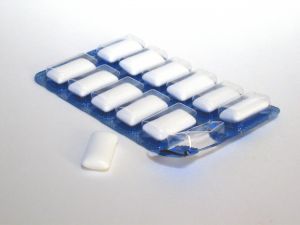 uggest they may provide a boost in energy or alertness.
If you simply like chewing gum, which many of us do, than this could be something you might just enjoy regardless of the ingredients fortified within it. But if you’re looking at this gum as a source of vitamins or energy enhancement, you’re looking in the wrong place. Simply put, it’s still best to count on gum to freshen your breath and not much more.
THERE’S A BETTER SOURCE
The vitamins infused in these gums are found in so many commonly eaten foods. If you want to get your daily dose of the B6, B12, and vitamin C try these foods which can be part of a well-balanced diet.
Vitamin B6
This vitamin has many roles within the body including protein and red blood cell metabolism, as well as ensuring the proper functioning of our immune and nervous systems. Foods high in B6 include fortified cereals, bananas, beans, chicken and pork.
Vitamin B12
Vitamin B12 plays a role in DNA synthesis, fat and protein metabolism, and red blood cell formation. B12 is naturally found in animal products, foods high in B12 include meat, fish, eggs, milk and milk products like cheese and yogurt.
Vitamin C
Vitamin C is important for wound healing, immune function, and protein metabolism. Foods high in this vitamin include mostly fruits and vegetables like red pepper, oranges, broccoli, strawberries, and tomatoes.
References:
- Newman, Andrew Adam. “Stride and Trident Gums, With Herbs and Vitamins – NYTimes.com.” The New York Times – Breaking News, World News & Multimedia. N.p., 8 Feb. 2011. Web. 4 Mar. 2011.




 Nutrition Lately