How YOU Can Help End Childhood Hunger

Often times you hear about children all over the world who suffer from hunger. But did you know 1 in 5 children (more than 16 million) right here in the United States suffers from hunger as well? In efforts to fight children hunger in the US, the Share our Strength No Kid Hungry Campaign aims to end child hunger in America and has made November “No Kid Hungry Month.”
THE NO KID HUNGRY CAMPAIGN
This campaign aims to end child hunger in America by 2015 by providing nutrition education courses and by developing partnerships and sponsors, all of which help kids access the food they need and teach families how to cook on a budget. So far, over 104,000 (including myself!) have made the pledge this month to help end childhood hunger for good. For more information on what this campaign is all about, please visit www.nokidhungry.org for details.
HOW YOU CAN HELP
Act now and help feed a needy child today. There are so many ways you can help, whether through action taken online, donating, becoming an advocate for your local or national government, or attending culinary events in your area. And remember, if you do choose to donate your donation will be matched dollar-for-dollar until December 31. Just $1 has the potential to help connect a child to up to 10 much needed meals.
CALLING ALL DIETITIANS
As nutrition experts who dedicate so much time and effort to good nutrition, we should be on the forefront of this problem. That’s why I am encouraging all registered dietitians to take on the Jimmy Dean No Kid Hungry RD Challenge.
For each pledge received from registered dietitians (RDs) through February 2012, Jimmy Dean will make a $1 donation (up to $150,000) to No Kid Hungry. In addition, they will also award the state dietetic association with the highest percentage of RD pledges a $5,000 grant to help support any community-based initiative that will aid in eliminating childhood hunger at the local level. Need I say more? So take the pledge today!

Today is World Food Day

Each year, October 16 marks World Food Day (WFD). This special day, as described on the US WFD website, is “a worldwide event designed to increase awareness, understanding and informed, year-around action to alleviate hunger.”
This year’s theme is “Food Prices – from Crisis to Stability” which has been selected to shed light on the factors that impact the people most vulnerable to hunger. Factors such as environmental changes, droughts, increasing populations, and food policy. Ultimately, the goal of WFD is to heighen awareness of the world hunger problem and to let you know that we all can help in some capacity to end hunger everywhere.
WHO’S HUNGRY?
Did you know that a staggering 1 BILLION people suffer from chronic hunger? But it doesn’t have to be this way. I encourage you to check out the resources on the WFD website to see how you can make an impact and reduce hunger in the United States and all over the world. Also, be sure to check out the loads of resources and the movement to end hunger at www.endinghunger.org where you can also sign the petition to help end hunger.

Nutrition Lately has Gone Pink!

Chances are you’ve probably noticed a slight change in our color scheme here at [NL]. In honor of National Breast Cancer Awareness Month (NBCAM), we will don our pink header from October 1-31. But that’s not all! During the month of October, for every new person who “likes” the Nutrition Lately Facebook page or subscribes to our blog [NL] will donate $1 (up to $50) towards breast cancer research. A win-win, right?
So if you haven’t already, be sure to help support NBCAM by “liking” our Facebook page or by subscribing to our blog (we would LOVE your support, too!). Also, check out the National Breast Cancer Awareness Month official website for terrific resources, disease information, recipes for breast cancer patients, NBCAM events near you and much, much more!
* The Nutrition Lately donation for up to $50 will be made out to The Gateway for Cancer Research at www.demandcurestoday.com for which 99 cents of every dollar goes directly towards breast cancer research.
Does Eating 6 Meals a Day REALLY Lead to Weight Loss?

If you’ve ever tried to lose weight it’s likely you’ve heard the concept of eating smaller, more frequent meals to aid in weight loss. Why? The theory behind the concept is that eating smaller portions more often can help curb hunger,  maintain blood sugar, and jumpstart your metabolism. And although these potential benefits are obtainable through the 6 meals-a-day method research has shown most often than not there is no advantage when compared to your standard 3 square meals in regards to losing weight.
BUT , there are some exceptions. While studies have shown most don’t see greater weight loss with increased meals there are certain individuals that could benefit from this method. To see which category you fall in read below.
WHEN IT CAN WORK
Eating 6 small meals each day is no easy task. With our busy schedules and lifestyles, it seems hard enough to get in 3 meals before the end of the day. But, with some planning and a stick-to-it attitude it is an attainable goal. Be sure to organize and prepare your 6 mini-meals the day before to avoid making last-minute meal choices that offer convenience (and typically more calories) but little nutrition.
This method tends to work best with those who incorporate an exercise routine into their daily schedule as well. That’s because eating a mini-meal pre and post-exercise can help you fuel up and recover before and after exercise. Having a routine exercise program also allows you to burn additional calories aiding in the weight loss process.
The most important part in making the 6 mini-meals each day work for you is being able to control your portion sizes. This is also why for so many, it DOESN’T work. With more meals comes the opportunity to consume more food but the goal of your mini-meals is to keep them just that, MINI. So be sure to keep your meals smaller (approximately half the size) than if you were eating 3 meals per day.
WHEN IT CAN’T WORK
As mentioned above, if keeping portion sizes in check is a problem for you, 6 meals a day is not a good option. If having the “green light” to eat more often seems like too much temptation to have unhealthy, high calorie snack foods then by all means, don’t try it.
Additionally, if more frequent meal times seems like a chore and is also too difficult to fit into your schedule, this is also another valid reason to just stick to your 3 meals per day.
THE BOTTOM LINE ON WEIGHT LOSS
Weight loss, whether with 3 meals or 6 mini-meals, is still dependent on your total number of calories consumed. It’s still all about calories in vs. calories out and you can achieve this with 3, 4, 5, or 6 meals a day.
Instead of focusing on how many meals you should consume focus on eating nutrient-dense foods that offer lots of nutrition (fruits, vegetables, lean protein, low-fat dairy, whole grains, etc.) and try not to go longer than 4-5 hours without something to eat. Adding a 30-60 minute daily exercise routine will help tremendously as well.

Food Spoilage: A Thing of the Past?

When you think of foods that have a near infinite shelf-life you may think of honey, soy sauce, or Twinkies. But now, even foods known to spoil quickly like milk and deli meats may be able to stay rot-free for years (that’s right, YEARS), according to new research. How is this possible? Enter the bacteria known as bisin, a preservative that occurs naturally in some types of bacteria that was stumbled upon by scientists at the University of Minnesota while researching organisms that populate the human gut.
Just how promising is this preservative? For one, it is naturally-occurring and so far has been reported to be safe for use. Even better, this preservative has been shown to prevent the growth of harmful bacteria such as E. coli, salmonella, and listeria. It is thought that this discovery could potentially extend the shelf-life of meat, dairy products, fish, and eggs from weeks to years. Bisin, however, only acts as a preservative for fresh proteins found in products like meat, fish, dairy, and eggs and not foods like fruits and vegetables as these types of foods decompose differently.
At this time, more research is needed before any real-world applications are seen but the research thus far is very promising. If bisin proves to be a good as advertised, this could result in significant reductions in food waste, food-borne illness, and possibly even a reduction in certain food costs.

The Facts About Red Meat and Cancer

It’s time to take a break from the fun, games, and food (not for long) to talk about something that has been on my “plate” this week. To preface, I knew working in the beef industry would raise eyebrows among fellow health professionals. Not everyone is a beef eater- much to my chagrin. However, I feel it’s my duty to share accurate information about the  nutritional advantages of eating beef, which support the messages in the 2010 Dietary Guidelines for Americans.
So what’s my beef this week? Cancer. More specifically red meat and cancer. If you want to Google this topic and see what reports and studies have been conducted, you may find yourself with an internet overload headache. As a consumer (and health professional), understanding the relationship between diet and chronic disease is challenging. There are a variety of causes and risk factors associated with cancer. If we could point our finger at the “bad guy,” aka the cause, we would (ex. lung cancer and smoking). So here I am, to tell you the red meat side of this story, and to hopefully shed some light on this myth.
Cancer is the second leading cause of death in the United States, behind heart disease. When the word cancer is brought up in conversation, sadness is quickly overshadowed with questions of why and how. Answers to these questions are usually unknown, though as a society we know that lifestyle and health may play a major role in the development of this chronic disease.
CANCER: THE QUICK, BAD, AND THE UGLY
Cancer is a group of many related diseases that all have to do with cells. Our bodies are made up of living cells. Normal body cells grow and divide. They know when and how to stop growing. Over time, they also die. Unlike these normal cells, cancer cells continue to grow and divide out of control and instead of dying, cancer cells continue to grow and form new, abnormal cells. Cancer cells can also invade other tissues, something that normal cells do not do. Growing out of control and invading other tissues are what makes a cell a cancer cell.
WHAT SCIENCE SAYS
The beef industry has a long-standing commitment to nutrition research that helps advance the understanding of the role of beef and beef’s nutrients in a balanced, healthy lifestyle. Since the 1920s, the beef industry has funded research to help understand beef’s place in a healthful diet and expand the base of nutrition knowledge. We want to be the first to know about the role of beef in a healthy diet and disease prevention so we can responsibly communicate science-based information to consumers and health professionals. As a result of this commitment to consumers and their health, we have commissioned an objective scientific assessment on this topic.
A team of leading experts recently completed a comprehensive and extensive analysis called “An Assessment of Red Meat and Cancer Risk” which reviewed multiple scientific studies involving red meat and six types of cancers. Based on their examination of the literature, the experts concluded that the available scientific evidence is not supportive of a cause and effect association between red meat consumption and cancer. As is often the case with epidemiological research on this subject, it is hard to draw conclusions about any one food and its relationship to disease. Individual foods should not be considered in isolation, when it comes to optimal health and disease prevention.
The science is clear about the important steps we can all take to help decrease cancer risk: don’t smoke, use alcohol responsibly, be physically active, maintain a healthy weight, and follow a diet consistent with the 2010 Dietary Guidelines for Americans, which includes fruits, vegetables, whole grains, low-fat dairy products, and lean meats.
WHY I’M PRO BEEF
A substantial body of evidence shows the nutrients in red meat, such as protein, iron, and B-vitamins, help maintain a healthy weight, build muscle and fuel physical activity – all of which play an important role in a healthful lifestyle and disease prevention. We do know that many people are overfed, yet undernourished, so it’s increasingly important for people to follow the 2010 Dietary Guidelines to “get more nutrition from their calories,” and eat a variety of nutrient-rich foods within and among all food groups. In fact, a three-ounce portion of lean beef is only 179 calories on average.
As a registered dietitian and avid cook, I am confident about feeding beef to my family and friends. As a natural source of 10 essential nutrients, beef’s nutrient contribution is valuable to the American Diet. The proven health benefits of eating beef far outweigh any of the scientific data on red meat and cancer. Cancer is a complex disease, and research continues to indicate there is no one dietary factor associated with increased cancer risk. Preventative lifestyle measures such as not smoking, responsible alcohol use, being physically active and eating healthfully are much more important to reducing cancer risk than eliminating any one food from your diet.

REFERENCES
Alexander, Dominik D.. ” Beef Research – Red Meat and Processed Meat Consumption and Cancer.” Beef Research – Home. The Beef Checkoff, 2010. Web. 9 Aug. 2011. < http://www.beefnutrition.org.aspx>.
” What Is Cancer? – National Cancer Institute.” Comprehensive Cancer Information – National Cancer Institute. National Cancer Institute, n.d. Web. 9 Aug. 2011. <http://www.cancer.gov/cancertopics/cancerlibrary/what-is-cancer>.
Is it Safe? Fish Consumption During Pregnancy

Often times, friends and family are eager to share their tips and tricks for a successful pregnancy. Once the news is out that you’re expecting EVERYONE becomes an expert bombarding you with advice, even when you may not have asked for it. At this point, sometimes the most important and essential concerns or questions pregnant women may have, like 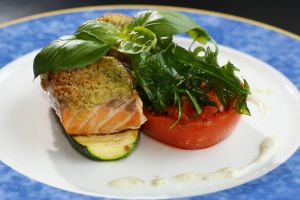 what to eat during pregnancy, may get lost in the flurry of new information being received.
But be sure to study up in this area as it is perhaps the most important aspect in relation to your baby’s health. After all, what you eat and drink influences your baby’s development more than anything. Some advice is easier to understand than others, such as eating plenty of fruits and vegetables and eliminating alcohol from your diet.
But what about pregnancy and fish? Is it really safe to eat during pregnancy? If so, how much? Read below to find the answers to these common questions along with other valuable information regarding fish consumption during pregnancy.
BENEFITS OF FISH
Making smarter choices about food will help build the foundation for a healthy pregnancy- and a healthy baby. Fish is an excellent source of protein and iron, both critical nutrients for fetal growth and development, as well as the changing needs of your own body. In addition to protein and iron, the Omega-3 fatty acids found in many fish are essential for the health of you and your baby. The two most beneficial omega-3’s are EPA (eicosapentaenoic acid) and DHA (docosahexaenoic acid). Adding EPA and DHA to your diet may have a positive effect on the visual and cognitive development of your baby and reduce their risk for allergies. Omega-3 fatty acids are considered essential fatty acids, meaning they are necessary for human health but cannot be made by our bodies. Therefore, we must obtain Omega-3 fatty acids from food sources- one being fish. Sounds like adding fish to your diet is a “no-brainer” during pregnancy, right?! There’s a catch…
MERCURY THREAT
You may find mixed messaging on consumption recommendations of fish during pregnancy- all of which stem back to the threat of mercury poisoning. The fact is most fish and shellfish contain traces of mercury. Mercury occurs naturally in the environment and can also be released into the air through industrial pollution. Mercury falls from the air and can accumulate in streams and oceans and is turned into methylmercury in the water, where fish absorb it. Larger fish that have lived longer in these waters have the highest levels of mercury because they’ve had more time to accumulate it. These large fish should be avoided all together during your pregnancy. Although mercury can harm a developing baby’s brain, eating average amounts of seafood containing low levels of mercury during pregnancy hasn’t been shown to cause problems. If you’re a fish lover or a convert for your baby, the good news is there are plenty of fish low in mercury that can and should be enjoyed while pregnant.
WHAT’S THE LIMIT?
The Food and Drug Administration (FDA) and the Environmental Protection Agency (EPA) say pregnant women can safely eat up to 12 ounces (340 grams) of seafood a week. Similarly, the 2010 Dietary Guidelines for Americans recommend 8 to 12 ounces of seafood a week for pregnant women- or about two average meals. Again, the fish to avoid are swordfish, shark, king mackerel and tilefish. Fish lower in mercury content and considered safe when eaten within recommend servings are shrimp, canned light tuna, salmon, pollock, and catfish. For albacore “white” tuna, the FDA and EPA recommend eating only 6 ounces per week (one average meal). By following these recommendations for selecting fish, you can receive the benefits of eating fish while reducing your exposure to the harmful effects of mercury.
TAKE HOME MESSAGE
The benefits of eating fish far outweigh the potential risks when the amount of fish are eaten is within the recommendations established by the FDA and the EPA. Eating a variety of fish will help minimize any potentially adverse effects due to environmental pollutants. Check with local and state authorities about types of fish and watersheds that may be contaminated and visit the FDA Website the most up-to-date information on recommendations for consumption. As long as you avoid fish known to be high in mercury or contaminated with pollutants, like the large fish mentioned above, fish can be a regular part of a healthy-eating plan during pregnancy.

The Berry Best: Celebrate National Blueberry Month

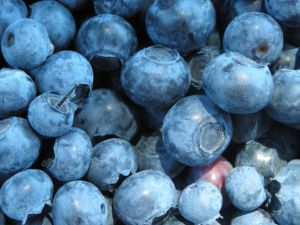
With production and nutrition value at the peak of season, along with prices at its lowest levels of the year July is the perfect month to be proclaimed as “National Blueberry Month.” And their great taste isn’t the only thing that makes these berries so special, their health benefits do as well, often putting them in the category of “superfoods.” Here are some of the reasons why:
 ANTIOXIDANT-RICH
When it comes to free radical-fighting antioxidants blueberries pack a serious punch and are among the fruits with the highest antioxidant activity. These antioxidants, like vitamin C, vitamin E, anthocyanins, and phenolics are found in blueberries and can help fight the damaging effects of free radicals associated with chronic diseases such as cardiovascular disease, cognitive impairment, immune dysfunction, and cancer.
WHERE FIBER MEETS FLAVOR
Some of the potential health benefits of a high-fiber diet include reducing the risk of developing heart disease, diabetes, constipation and colon cancer. Unfortunately, many people don’t consume a high-fiber diet.
Recommendations for fiber intake are around 25-30 grams per day. Most American’s only get about half that (around 15 grams). So if you’re searching for a food that offers both flavor and fiber, look no further than the blueberry.
This little berry offers nearly 14% of your daily fiber needs in just one cup along with its great taste.
MORE, MORE, MORE
Besides fiber and antioxidants, more and more studies are showing further benefits from a diet rich with blueberries including their potential anti-aging effect and their ability to reduce the risk of infection, specifically with urinary tract infections (UTIs).
So be sure to grab some the next time you get a chance and enjoy the blueberry in its month of recognition.
WANT IN ON THE FUN?
Want to join in on the festivities surrounding the great tasting and nutrient packed blueberry? Here’s a link to some U-Pick blueberry farms and some of the blueberry festivals happening around the nation this year:


With summer in full swing, it seems appropriate that July is “National Grilling Month.” And in celebration, we liked to share some safe grilling tips to ensure you and your family enjoy the summer grilling season safely.
 After all, food poisoning leads to an astounding 300,000 hospitalizations and around 5,000 deaths each year, many in the summer months where the increased temperatures allow bacteria to grow at faster rates, increasing the chance of getting ill.
So take the necessary precautions to ensure you don’t become one of those statistics. Here are five barbeque basics that can help reduce your risk of getting a foodborne illness.
1. WASH YOUR HANDS
Wash your hands with warm soapy water for at least 20 seconds before and after handling any food to ensure your mittens are germ free and to reduce the risk of cross-contamination. By following this one rule you can dramatically reduce your risk of foodborne illness.
Don’t have a source of clean water available where you’re eating? Bring along some hand sanitizer or wipes. It’s just that simple.
2. KEEP IT COOL
Don’t take out food that needs to be refrigerated only to sit for an hour after you’re done prepping other items. Keep perishable foods in the refrigerator until the very minute you need to use them. By doing so, you’ll keep bacteria growth at bay and prevent potential illness.
3. RAW AND COOKED FOODS DON’T MIX
At a family picnic or pool-side grilling party it’s all about being together with those you care about. But two things that should ALWAYS be separated are raw and cooked foods. Cross-contamination is a big culprit in foodborne illness so be sure to keep raw foods away from cooked and prepared food sources.
Do this by keeping raw meat, poultry, and seafood in separate containers and by using separate cooking utensils for raw and prepared foods. Also, avoid serving foods on plates or dishes that had raw food on it at any time. Instead, have a separate clean plate and utensils for foods that are ready to be served.
4. KEEP TEMPERATURES IN CHECK
While you can’t control those hot summer temperatures, one climate you can control is the climate that you’re food is contained in. As a general rule, remember to keep cold foods below 40 degrees Fahrenheit and hot foods above 140 degrees Fahrenheit until served.
To ensure these temperatures are met be sure to use a thermometer, have plenty of ice and a cooler to place cold items in as well as aluminum foil wraps and insulated containers for warm foods.

Top 5 FREE Nutrition Apps for Your Smartphone

Today, cell phones aren’t just devices we use for making calls. No, technology has gone far beyond that. For many, they’re our alarm clock, our daily planner, our radio, our weatherman, our personal computer, and much, much more.
So why can’t they also be an aid in eating healthier? The answer: they can! With the arrival of smartphones and the thousands of applications (apps) that are available for them it was only a matter of time before some health conscious techies put together some fabulous nutrition apps. And while there are TONS of great nutrition apps out there, here are [NL]’s top 5 FREE apps that delivered the most “bang without the buck.”
1. Fooducate by Fooducate, LTD. (www.fooducate.com)
 This app made the top of our list for a multitude of reasons. For starters, it allows you to scan a product barcode to see product highlights, both good and bad. From there you can select better alternatives by comparing the nutrition information Fooducate analyzes and makes available to you including whether a product has excessive sugar, trans fat, additives and preservatives, high fructose corn syrup, food colorings, and confusing serving sizes. Better yet, the Fooducate app was developed by dietitians and concerned parents and has no influence from food manufacturers, supplement companies, specific diets, or any other agency.
Other Features…
- available for iPhone and Android
- barcode scanner
- over 160,000 products analyzed and growing
- analyzes both nutrition labels and ingredients lists of products
2. Calorie Counter by MyFitnessPal, LLC (www.myfitnesspal.com)
 This app is a close second with plenty of terrific features that make it much more than a simple calorie counter. It has the single largest food database of any Android app with over 750,000 foods and counting. It also allows for food and exercise entry so you can keep track of your progress in both areas. For food specifically, it calculates calories and all the major nutrients like fats, carbs, protein, sugar, fiber, and cholesterol and can even store and remember foods you’ve eaten for easy access.
Other Features…
- available on iPhone and Android
- barcode scanner
- recipe calculator (enter your own recipes to get a nutrient analysis)
3. TheCarrot by Health Analytic Services, INC. (www.thecarrot.com)
 This particular app is more of an “all-inclusive” type that helps you keep track of many health aspects but its nutrition “tracker” component is terrific as well, providing in-depth nutritional and caloric information. What really makes this app stand out is its ability to incorporate many areas of your life that effect your health and track them so you can reinforce good behaviors and make changes to ones that are effecting you negatively.
Other Features…
- available on iPhone only
- multiple “trackers” (exercise, medications, pregnancy, blood sugar, sleep, and more)
- can enter notes and add photos to trackers for further reinforcement
4. Lose It! by FitNow (www.loseit.com)
 Lose It! is an app that focuses on weight loss (as its name implies) but also provides you with the ability to set goals and establish daily calories budgets as well as record your food and exercise. Like the other apps, it also has the ability to analyze your food and track nutrients like fat, carbs, and protein. And if your food isn’t in their database, you can add new foods yourself.
Other Features…
- available on the iPhone only
- email or print detailed reports directly from you iPhone
- works with or without a network connection
- simple interface
5. Restaurant Nutrition by Foundation HealthCare Network (www.healthyandfitcommunities.com)
 This one is a great guide when eating out and can help you choose healthier options in a pinch. Users can look up nutrition information from over 100 popular restaurants and over 15,000 food items. You can also journal your eating habits to track your food items, calories, and other nutritional information. Some reviews mention outdated menus and inaccurate calorie counts for some food items but as a general guide to help you choose better options, even at fast food restaurants, it does the job.
Other Features…
- available on iPhone and Android
- allows you to hide menu items with selected food allergies
- map feature allows you to find nearby restaurants
WHATS YOUR APP-INION?
Know of some other great free nutrition apps out there? Have you tried some of the ones mentioned above? Let us know what you think and give us your personal review with a comment.





 Nutrition Lately